You Are The Weakest Link Goodbye . By , 2001, puffin edition, in english. # link # weakest link # you are the weakest link # you are the weakest link goodbye. Photos from "You're Out!" Reality TV Sendoffs E! Online from www.eonline.com You are the weakest link. You are the weakest link goodbye!. You're browsing the gamefaqs message boards as a guest.
What Are Bowling Balls Made Of. This is one of the most important things for choosing the right ball for someone. The specialists have been using multiple technologies to make bowling ball better day by day.
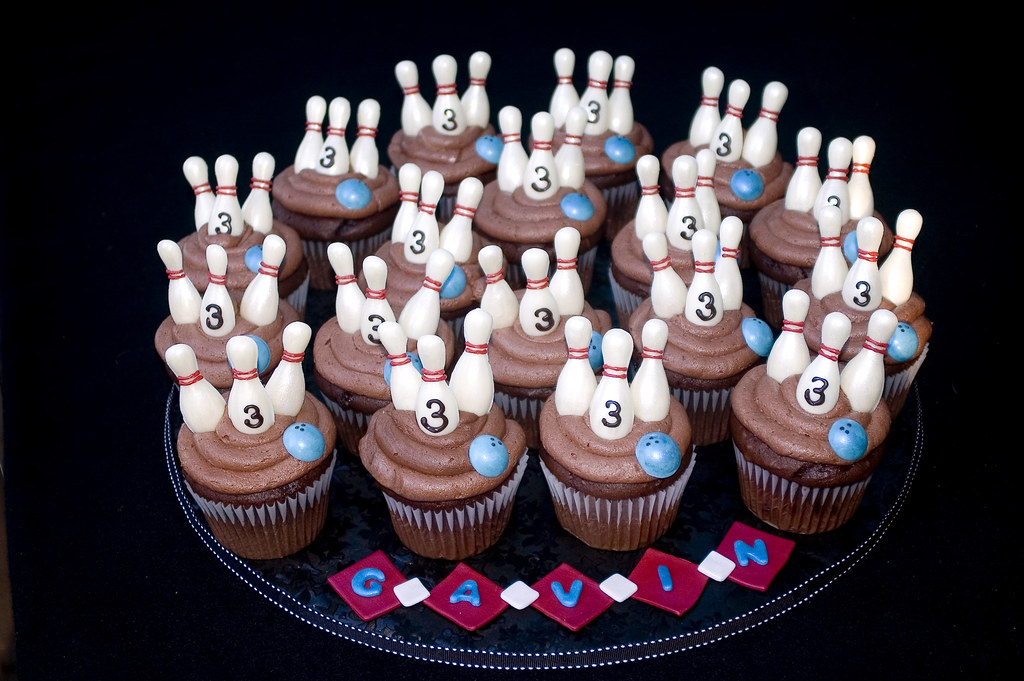
Bowling Cupcakes I made these jumbo chocolate cupcakes for… Flickr from www.flickr.com
The type of material used depends on the type of bowling you are doing. The coverstock is the outer layer of the bowling ball, and it has four different types. Bowling balls were made of lignum vitae (hardwood) until the 1905 introduction of rubber balls.
#1 Trusted Online Bowling Pro Shop For 23+ Years.
The smooth surface of plastic helps in effectively reducing the hook potential because it brings down friction. The outside shell of bowling balls can be made of urethane, plastic, reactive resin. To make a bowling ball, the manufacturer creates the resin material and then gives it the shape they want.
These Balls Faced A Lot.
Weight blocks are either high mass type (limits rolls) or low mass type. The core can come in a pancake design, a lightbulb, or in an asymmetrical shape. How a bowling ball is made.
The Weight Block, On The Other Hand, Has Two Types:
Modern bowling balls are made out of plastic or polyester among which plastic balls are famous among all the category of people because the spare balls are much more comfortable as they give straight line hits. The type of material used depends on the type of bowling you are doing. Choosing the right weight ball is directly associated.
Initially, The Cover Stock Of Bowling Balls Was Made Of Wood And Rubber By The Early 1900S.
How are bowling balls made? Particle or proactive coverstock balls are used mostly by expert players. Popular metal oxides used to create bowling ball cores include iron, barium, bismuth graphite, and calcium.
After Some Time, In The Early 1980’S Polyurethane (“Urethane”) Bowling Balls Were Introduced Which Is Still Being Used Nowadays.
Generally the weight of these bowling balls is typically around 3 pounds 6 ounces to 3 pound 12 ounces. The first polyester ball was made in 1970, followed by urethane in the 1980s and resin in the 90s. Other materials include urethane, reactive resin, and rubber.


Comments
Post a Comment